

Home Blog Page 7

We Simplify Movement Mortgage Payment Management in Chicago (2025)

0

Owning a place in Logan Square or Lincoln Park still feels electric, no matter how many closings we’ve seen. We’ve helped hundreds of Chicago families manage their mortgages with Movement Mortgage, the reliable lender, and we’ve learned what actually makes paying easier, faster, and less stressful. For those wondering what is a mortgage, it’s essentially a loan secured by collateral—the house itself—that allows you to finance your home purchase over time.

You’re shopping or already closed in a market where the typical Chicago home price sits around $350,000 and mortgage rates hover near 6.5 percent. That means cash flow planning matters for every borrower, especially after securing pre-approval as a key step before closing. First-time buyers, move-up families, investors, and relocating pros all ask the same thing: how do I pay my Movement Mortgage loan the smart way without surprises? Strong factors like a solid down payment, good credit score, manageable closing costs, and a healthy debt-to-income ratio set the stage for smoother loan management from day one.

This guide shows you how to set up payments in minutes, avoid late fees, and reduce interest with small tweaks that accelerate paying down principal. We’ll cover autopay, biweekly schedules, extra principal, and what to do if you’re between tenants or paychecks—ideal for maintaining consistency with a fixed-rate mortgage.

Chicago timing matters in fall. Mail slows near holidays, utility bills rise as temps drop, and the second property tax installment often lands late in the year. We’ll show you how to check your escrow account on the Movement portal, align due dates with your paycheck and property taxes schedule, and add a small cushion before winter.

Neighborhood habits help too. If you live near the Blue Line in Logan Square, many employers pay biweekly, so a half-payment every two weeks can cut interest and match your paydays. Around Lincoln Park and the Fullerton Red and Brown Lines, autopay on the first with a calendar reminder three days prior keeps you on track if you travel.

Commuters to the Loop or Ogilvie can sync payments with pre-tax transit savings to keep monthly budgets clean. Investors in Avondale or Pilsen can set up separate principal-only transfers the day rent clears, which trims the balance without touching reserves.

We’ll keep this simple and local. By the end, you’ll know how to pay your Movement Mortgage loan on time, add principal when it counts, and glide through Chicago’s fall without a late fee or a budget hiccup.

Simple Ways to Make Your Movement Mortgage Payment on Time

Keeping mortgage payments on schedule in Chicago gets easier when we set a system and let it run. Autopay, app payments, and bank transfers all work well with Movement Mortgage. Fall is the smart time to lock this in, since holidays, tax bills, and winter utilities can throw off cash flow.

Set Up Autopay for Hassle-Free Monthly Payments

Autopay is the fastest way to remove late fees from your life. You enroll once, then payments pull each month from your checking account, including accounts at Chicago banks like Chase, BMO, Wintrust, or Alliant. As the lender that services the loan, Movement Mortgage has helped relocating professionals in Lakeview set this up in under 10 minutes. This flexibility benefits the borrower managing funds from Chicago banks.

Here is a quick path that mirrors Movement’s official flow:

  1. Go to the Movement portal, select Pay My Mortgage, and sign in or create your account. Use this link: Movement Pay My Mortgage.
  2. On the payment tile, choose Enroll in Autopay. Enter your bank routing and account numbers.
  3. Pick your draft date. We suggest 3 to 5 days before the due date to create a buffer.
  4. Save and confirm. Watch for the confirmation notice and the first draft date.

Why Autopay works in Chicago:

  • Mail slows near the holidays. Autopay removes timing risk when snow and shipping delays hit.
  • Budgets get tighter in winter. Autopay helps you prioritize housing during higher gas and electric bills.
  • You can sync with paydays. If you get paid on the 1st and 15th, set the draft right after the first paycheck clears.

Pro tips we use with clients:

  • Align the draft with your rent deposits if you are a house hacker or investor. It keeps reserves steady.
  • Add calendar alerts 3 days before draft, so you can move funds if needed.
  • If you are new to Movement, review their step guide for clarity before you start: Movement Autopay Enrollment PDF.

Seasonal note: enroll before Thanksgiving. You will glide through December gift spending, property tax timing, and the first deep freeze without scrambling.

Use Online or Bank Transfer for Quick Chicago Commutes

Digital payments are perfect when you are on the go. Busy morning at Logan Square or Irving Park? You can pay while waiting for the Blue Line or on a CTA bus ride to the Loop.

Your options:

  • Movement portal or app: Make a one-time payment, schedule a future payment, add principal, or check the balance of the underlying loan. Start here: Movement Pay My Mortgage.
  • Direct bank transfer: Use your bank’s bill pay or ACH. Most Chicago banks support same-day or next-day delivery if you schedule early.

Security and 2025 updates:

  • Movement’s servicing app on Android shows active development and was updated in August 2025, which signals ongoing security maintenance and stability. See details on MMServicing in Google Play.
  • Use multi-factor authentication and strong passwords. Turn on account alerts for payment confirmations and balance changes.

How to make it work with CTA life:

  • Save your payment as a favorite in your mobile browser or app. A 60-second check while the train arrives beats late fees.
  • Pay early in the month if your schedule gets hectic during quarter-end close or hospital shifts.
  • Keep an emergency cushion equal to one payment in your checking account during winter. Weekend storms and bank holiday timing can delay transfers by a day.

Example that fits a typical Chicago rhythm:

  • You ride the Blue Line from Logan Square and get paid biweekly on Fridays. Schedule a one-time payment for the following Monday on your phone, then convert to Autopay once your budgeting feels set.

Smart Tips to Accelerate Your Mortgage Payments and Pay Down Your Movement Mortgage Faster and Save Money

A Chicago family in a cozy Logan Square living room during winter, reviewing a bi-weekly mortgage schedule on a laptop with a calendar and piggy bank nearby. Image created with AI.Small, consistent moves can shave years off your loan and free up cash before the cold sets in. We tailor these strategies for Chicago life, where pay cycles, CTA commutes, and winter utility spikes all affect how you plan. Use these tips to build equity faster, reduce interest, and keep reserves steady from Logan Square to River North.

Switch to Bi-Weekly Payments for Extra Savings

Bi-weekly means you pay half your monthly amount every two weeks. Since there are 52 weeks in a year, you make 26 half-payments. That equals 13 full payments per year, so you make one extra monthly payment without feeling it in a single month.

Here is how it helps on a typical Chicago purchase with conventional loans:

  • Example: $300,000 loan, 30-year loan term, 6.5 percent rate. The standard monthly principal and interest is about $1,896.
  • Bi-weekly cadence accelerates principal, often cutting about 4 years off the loan term and saving roughly $40,000 to $50,000 in interest over the life of the loan by reducing the total interest paid and accelerating the amortized schedule.
  • Winter-ready cash flow: because drafts happen every two weeks, it syncs with bi-weekly paychecks common for CTA, health care, and Loop office schedules. This reduces month-end crunch when gas and electric bills surge, while further cutting the total interest paid.

Chicago winters add pressure. Bi-weekly builds equity faster, which boosts future flexibility for emergency funds or a HELOC review if your escrow account needs reviewing. These strategies can also apply to FHA loans or VA loans for similar benefits. Set it up through your lender’s “Pay My Mortgage” page, then review the timing rules in their official guide:

Quick local tip:

  • Align your first bi-weekly draft after a Friday paycheck if you work downtown or in the Medical District. It keeps your account balanced when Metra or CTA delays shift your routine.

Make Extra Payments to Cut Interest and Build Wealth

Extra principal payments go straight to your balance. That reduces future interest and speeds up amortization. You can add a fixed amount to autopay or send one-time principal-only payments in the portal. These extra principal payments are crucial for wealth building, especially as new buyers often prioritize building equity quickly after achieving their initial down payment.

How to apply extra principal in minutes:

  1. Sign in at the Movement portal: Pay My Mortgage.
  2. Choose your next payment, then select “additional principal.”
  3. Confirm the amount and save. For ongoing extras, add it to Autopay.
  4. Verify the receipt and note the new balance.

A real 2025 pattern we use with Chicago clients:

  • Add $500 per month on a typical condo mortgage near River North. This shortens a 30-year loan term by about 8 years and can save around $100,000 to $130,000 in interest, depending on your exact balance and rate.
  • We help families tie this to rent deposits for house hacks in Avondale or Pilsen. The day the lease clears, send a principal-only transfer. Your reserves stay intact, and your balance drops faster.

Why it works during fall and winter:

  • The second Cook County property tax installment often lands late in the year. Extra principal earlier in fall offsets interest and builds cushion for January’s cold snap.
  • If your CTA commute leaves little time, set a recurring extra that lands right after your first paycheck each month.

Need a quick policy check on principal-only payments or autopay rules? Movement’s FAQ has a clear summary: Movement FAQs

Pro moves we apply with clients across Logan Square, Lakeview, and North Center:

  • Start small with $100 to $200 extra for 90 days. If it feels easy, step up to $300, then $500.
  • Use tax refunds or year-end bonuses for a one-time principal hit. A single lump sum early in the loan has an outsized impact.
  • Track progress. Watching your balance drop is the best motivation to keep going.

Key Things to Consider for Mortgage Payments in Chicago’s Unique Market

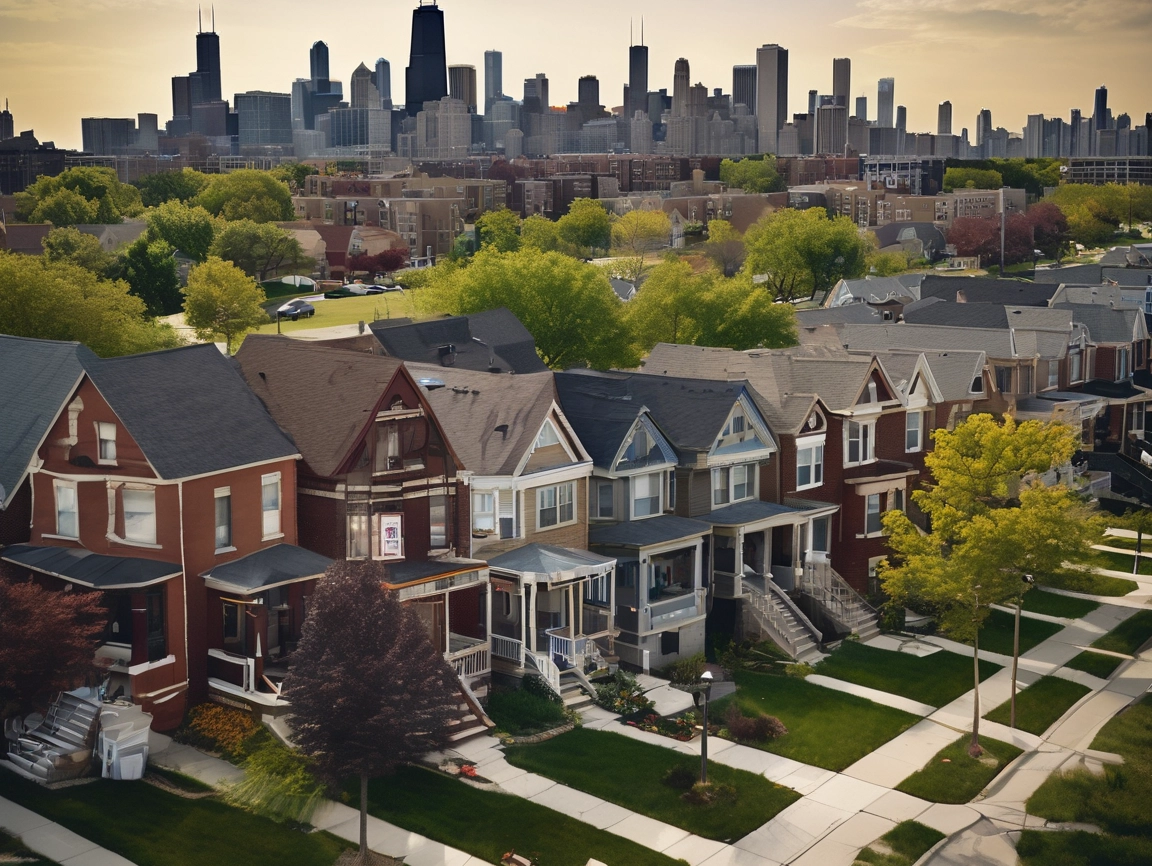
Overhead view of Chicago’s North Side from the lake to Logan Square, CTA lines, neighborhood blocks, and a budget notebook on a table, early fall light. Image created with AI.Chicago payments live at the intersection of neighborhood taxes, commute choices, and seasonality. We plan with that in mind. Your total monthly outlay shifts based on where you live, how you get to work, and how winter hits your utilities. A few local moves can lower stress and speed up payoff without changing your lifestyle.

How Chicago Neighborhoods and Transport Affect Your Budget

Property taxes and commute costs vary block by block. Logan Square often trends more affordable on total carrying costs than Lakeview, thanks to a wider mix of homes and assessments. Lakeview’s lake proximity, premium schools, and higher amenity density tend to push monthly property taxes and homeowners insurance higher. When two buyers have the same loan amount, the one in Logan Square may see a lighter escrow draw, which improves monthly breathing room and helps affordability, especially for borrowers utilizing conventional loans.

Transit access also changes the math. Living near the Blue Line in Logan Square or the Red and Brown Lines in Lakeview can replace one car, or at least reduce miles, parking, and insurance. Research tied to CTA and Argonne shows strong transit investment saves households large sums each year by cutting driving costs and congestion across the region. Review the findings here: Argonne-led research on transit household savings.

What this means for your mortgage:

  • Closer to CTA, more cash flow: Fewer car expenses can free $150 to $350 per month for your mortgage or principal-only payments, helping redirect funds to principal and save on future interest.
  • Logan Square vs. Lakeview: Logan Square’s typically lower tax burden helps payment affordability. Lakeview’s premium for lake access and amenities often raises the escrow portion.
  • 2025 payoff trend: Our clients in commuter-friendly neighborhoods are paying down balances about 5% faster by channeling transit savings into biweekly or extra principal. Building equity this way strengthens your position, as the home serves as collateral for the loan.

Quick move you can make this fall:

  • If you live near a CTA station, redirect your reduced parking and gas spend into a fixed additional principal each month. Small, steady drafts build equity without straining your budget. For broader tax context across Cook County, see this overview on rate variability: Cook County property tax insights for 2025.

Plan for Seasonal Changes and Local Fees

Winter changes your budget. Gas bills rise, electric use bumps up, and snow parking can add surprise costs. We map payments around these spikes so you keep your buffer intact. Proper budgeting helps the borrower avoid missing payments that could lead to foreclosure, while a higher down payment upfront can eliminate the need for private mortgage insurance (PMI) to keep costs down from the start.

Use this simple seasonal playbook, especially when reviewing loan options for those holding an adjustable-rate mortgage where seasonal financial planning is critical:

  • Winter heating impact: Expect higher bills from November through March. Lower your discretionary spend and keep one full mortgage payment as a cushion in checking.
  • Spring tax refund: Earmark part of your refund for an extra principal hit. One lump sum in April can erase months of interest later.
  • Property taxes in 2025: Plan with an effective rate near 2.1% of market value citywide, though it varies by area and classification. County data shows wide swings by location, often between 1.5% and 3.5%. That spread affects escrow and payment stability, so review your tax history and projections each fall. Maintaining a good credit score is key to qualifying for better rates, even after closing. For reference on local variability, read: Cook County property tax insights for 2025.
  • Local fees to remember: City vehicle stickers, residential parking permits, and HOA assessments can spike around year-end. Add these to your cash flow view so they do not collide with your January mortgage.

How Movement’s tools help:

  • Use the portal to track escrow account changes, view projected tax disbursements handled by your lender, and add principal-only transfers when your refund hits.
  • Set alerts for upcoming drafts and escrow adjustments so winter bills do not surprise you.

A cozy Chicago condo in winter with a radiator, utility bills on a table, and a laptop open to a mortgage portal, snow outside the window. Image created with AI.Key takeaway for fall: build a modest buffer now, then use spring windfalls for principal. That one-two move keeps your payment stable through winter and accelerates payoff by next summer.

Conclusion

We covered the easiest ways to pay your mortgage on time, then turn small habits into real savings. Autopay, the portal or app, and your bank’s bill pay keep drafts smooth. Biweekly schedules and extra principal payments reduce interest over time while escrow checks and alerts protect your winter budget.

We have helped hundreds of Chicago families do this in Logan Square, Lakeview, Lincoln Park, Avondale, and Pilsen. Mortgage rates in October 2025 sit near 6.3 to 6.4 percent for a 30-year fixed-rate mortgage, lower than the peaks earlier this year. Commuters on the Blue Line or Red and Brown Lines can line up drafts with paydays, then send principal-only when rent clears. Heading into fall, plan for slower mail, higher gas and electric bills, and that late second property tax installment.

If you want a plan tailored to your mortgage and neighborhood, reach out to Movement or consult with a local mortgage broker—we will review timing, autopay settings, escrow, and biweekly options in one clean pass. Set up Autopay today, then watch rates. If they dip, we can explore a refinance that builds long-term wealth in Chicago’s vibrant market, especially if a large down payment when you originally purchased offers more flexibility. These strategies can also benefit USDA loans for families slightly outside the core Chicago market but still served by Movement.
Chicago First-Time Home Buyer Programs 2025, Our Complete Guide

0

Buying your first place in Chicago as a first-time homebuyer is exciting, and a little daunting. Prices are still competitive, with the city’s median home near $350,000 as of September 2025, and 30‑year rates hovering around 6.5%. The good news, several programs can cut your required down payment by up to 20% through down payment assistance, which can be the difference between waiting and getting keys this year.

We’ve helped hundreds of Chicago first-time buyers buy with less cash up front, and we know what actually works at the lender’s desk. From CHA grants and Cook County assistance to city homeownership programs and lender credits, you have more options in 2025 thanks to refreshed funding and steadier rates. We’ll point you to what’s open, what’s waitlisted, and how to stack benefits without surprises.

Whether you’re eyeing a Lincoln Park brownstone, a Logan Square condo, or a bungalow near Midway, local details matter. Proximity to CTA lines, like the Red and Blue, or Metra stops can affect pricing and appraisals. Garage parking carries a premium in neighborhoods like River North and Lakeview, especially once winter hits.

Seasonality plays a role here. Chicago’s spring market brings more listings and more competition, while late fall can mean motivated sellers but weather delays. If you plan to close between December and February, budget extra time for inspections, roof checks, and appraisal scheduling.

In this guide for first-time homebuyers, we’ll cover the top programs, who qualifies, income and credit basics, and how to pair grants with FHA or conventional loans. You’ll see typical costs, like lender origination fees and closing costs, and how to negotiate them. We’ll also share neighborhood-level tips, from property taxes to HOA considerations for West Loop and South Loop condos.

You’ll walk away knowing where to apply first, what documents to prep, and how to align your search with your commute on the CTA or I‑90/94. If you’re ready to buy in 2025, Chicago’s updated funding and steady rates give you a clear path forward. Let’s get you from research to an accepted offer with confidence.

What Makes You Eligible for Chicago’s First-Time Buyer Programs?

Determining your eligibility as a first-time homebuyer in Chicago boils down to three key pillars: household income, credit strength, and proof you completed a homebuyer class. Programs in Chicago, from City of Chicago grants to IHDA loans and CHA support, all tie eligibility to Area Median Income (AMI), minimum credit scores, and HUD-approved education. The good news is that 2025 brings clearer rules and steadier rates, so first-time homebuyers can plan with more confidence.

First-time buyers reviewing documents in a bright Chicago condo with an L train visible outside. Image created with AI### Income and Credit Requirements

The income requirements for most programs cap income at or below 80% of AMI for the Chicago-Joliet-Naperville HUD area. This threshold targets low to moderate income households, with limits adjusting by household size, so a two-person Avondale household has a different cap than a four-person Pilsen family. We recommend confirming the latest chart on the City of Chicago site before you apply, since figures update each year.

Here is a quick look at 2025 80% area median income thresholds used by many programs:

Household size80% AMI annual income1 person$67,1502 persons$76,7503 persons$86,3504 persons$95,9005 persons$103,6006 persons$111,2507 persons$118,9508 persons$126,600

What this means for you: a four-person household in Portage Park earning at or below about $95,900 can be eligible for several city or IHDA options. Some offerings have lower or higher caps; always check the specific program guide.

Credit matters just as much. In 2025, most Chicago lenders want to see a credit score of 640+ for down payment assistance tied to IHDA or city programs. FHA financing can allow 580 with 3.5% down, but many assistance programs still set 640 as the floor. Higher scores can also cut your monthly payment by qualifying you for better priced conventional loans.

If your score needs a lift, use a fast, focused plan—lenders also review your debt-to-income ratio closely as a key metric:

  • Pay revolving balances down to under 30% of the limit, and aim for under 10% on one card.
  • Bring any late accounts current, then set auto-pay for the minimums.
  • Avoid new credit pulls for 60 to 90 days, especially during peak spring market.
  • Remove credit report disputes before underwriting to prevent delays.
  • Add a small, on-time trade line if you lack history, like a secured card.
  • Keep cash reserves stable, since Chicago underwriting often verifies funds twice, like at application and before closing.

Local tip: if you plan to bid in May or June, start your credit tune-up by late winter. That timeline accounts for holiday spending, tax refunds, and weather slowdowns that can affect appraisals and re-verifications.

Homebuyer Education and Orientation

Most assistance in Chicago requires a HUD-approved homebuyer education certificate before closing, often from a HUD-approved provider. The Chicago Housing Authority offers free sessions, alternatives like Habitat Chicago (which may require partner hours for deeper assistance programs) and Homebuyer University provide flexible options, and the Department of Housing links to approved providers across the city. Classes cover the pieces buyers tend to underestimate, from HOA budgets in South Loop towers to winter roof assessments in bungalow-heavy neighborhoods, while confirming the property will serve as your principal residence.

Why it pays to take the class early:

  • Closing costs average about $10,000 in Chicago, depending on price, taxes, and lender fees. You will learn where that money goes, like transfer taxes, title charges, appraisal, attorney fees, and prepaids for taxes and insurance.
  • You will see how condo reserves and special assessments can affect approval in areas like West Loop and River North.
  • You will get clear guidance on stacking grants with FHA or conventional loans without tripping over program rules.

Busy schedule or moving here for work? Choose an approved online format. Many providers offer self-paced modules that you can complete after work, which is ideal if you are relocating to be near the Red or Blue Line stations and need to move fast.

What to bring to orientation:

  • Recent pay stubs, W-2s, and two months of bank statements
  • A draft budget that includes CTA or Metra commuting costs and parking, since garage space adds value and cost in lakefront neighborhoods
  • A target price range based on your preapproval, not online estimates

Finish the course, save the certificate, and share it with your mortgage lender and agent right away. It keeps your file clean, helps you access grants on time, and prevents last-minute scrambles during Chicago’s busy spring market.

Top First-Time Home Buyer Programs in Chicago for 2025

Chicago buyers have solid options for down payment help, lower upfront costs, and flexible repayment. With inventory up about 3% year over year, these first-time homebuyer programs can help you write stronger offers in tight neighborhoods near CTA lines and popular school zones. We break down the essentials so you can match funding to your price point and timeline.

Young couple in front of a Pilsen townhome after receiving program approval. Image created with AI### Chicago Housing Authority Down Payment Help

CHA’s Down Payment Assistance gives renters on the path to ownership a real boost. We see it used across the city, from brick two-flats near the Green Line to newer townhomes along the Pink Line.

  • Who qualifies
    • CHA residents or voucher holders: Up to $20,000 in assistance, based on current guidelines—ideal for CHA residents seeking to transition to homeownership.
    • General buyers within Chicago: In recent cycles, non-CHA buyers have seen assistance up to $10,000 when funds are available.
    • Income cap: Typically up to 120% of AMI, with standard occupancy and primary residence rules.
  • How funds can be used
    • Down payment and closing costs, including title, appraisal, transfer taxes, and additional down payment support to ease the entry into buying.
    • Principal reduction to lower your monthly payment.
    • PMI support when paired with a conventional loan.
    • The DPA grant from CHA can be applied directly against your purchase agreement for these eligible expenses.
  • Key requirement
    • You must attend a CHA DPA orientation and complete a HUD-approved homebuyer class before closing—or consider complementary resources like Homebuyer University for extra preparation. Plan ahead if you want to close during the winter months, since weather can slow inspections and appraisals.
  • Repayment
    • Often structured as a zero interest forgivable loan over 10 years, as long as you live in the home and meet program terms, making it a true forgivable loan option for long-term stability.
  • Local angle
    • We see this stretch far in Pilsen, where townhome prices rose about 5% in 2025. If you are targeting homes near the CTA Pink Line, this grant can cover most of your required cash to close.

Example: On a $375,000 Pilsen townhome with typical closing costs near $10,000, CHA support can bridge the gap so you keep more cash for reserves, winter maintenance, and HOA fees if applicable.

Cook County and IHDA Loan Options

Cook County and IHDA pair well for buyers who want predictable payments and help with cash at closing as part of broader homeownership programs. With more listings hitting the market, these tools help you compete without draining savings.

  • Cook County forgivable grant
    • Up to 5% of the purchase price, capped at $25,000.
    • Forgivable after 5 years of living in the home.
    • Income up to 120% of area median income to meet income requirements, with waivers in certain target or distressed areas.
    • Can be used for down payment, closing costs, or a rate buydown to lower the monthly payment.
    • Status changed during 2025, with pauses when funding ran low. Always verify current availability before you write offers.
  • IHDA loan programs
    • Fixed-rate mortgages with low down payment paths, including FHA, VA, USDA, and conventional options through approved lenders.
    • Homebuyer education is required, and many lenders look for 640+ credit scores—or explore alternatives like Habitat Chicago for additional support in education and build opportunities.
    • Assistance is often structured as forgivable grants or zero interest deferred loans that are repaid when you sell, refinance, move out, or at home sale.

Quick compare:

ProgramAssistance TypeTypical RepaymentBest ForCook County DPAForgivable grant up to 5% (max $25k)Forgiven after 5 years of occupancyBuyers who plan to stay 5+ yearsIHDA assistanceForgivable or zero interest deferredForgiven over time or due at sale/refiBuyers who want flexible structures

Tip: If you are eyeing a West Loop condo steps from the Green Line or a North Center single-family near the Brown Line, pairing IHDA with seller credits can free up cash for higher property taxes or garage parking, which often commands a premium.

Other Local Grants Like TIF and MMRP

Chicago’s place-based programs help buyers invest in targeted blocks where rehab and new ownership can steady values, targeting low to moderate income households through these homeownership programs.

  • TIF Purchase Rehab
    • Offers forgivable support up to 25% of total project costs. This can include purchase price, rehab, and eligible closing costs.
    • Available only in specific TIF districts. Income and occupancy rules apply, including that the property must serve as your principal residence.
    • Seasonal tip: TIF applications often see more funding and faster decisions in the fall, when budgets finalize. Apply early if you plan a winter closing to avoid weather delays on contractor bids and appraisals.
  • MMRP Purchase Assistance
    • Provides up to $30,000 for down payment or rehab in Micro Market Recovery areas.
    • The program has been closed to new applicants at points in 2025, so check status before touring homes.
    • Focused on stabilizing blocks where new owner-occupants can lift values.
  • Investor-friendly angle
    • Owner-occupancy is required for both TIF and MMRP, but 2- to 4-unit properties can qualify if you live in one unit. This can work well in Avondale and nearby pockets where rents stay strong and the Blue Line keeps demand steady.
    • We see buyers house-hack a two-flat, use TIF on rehab items like roofs or porches, then lock a fixed mortgage while rents help with carrying costs.

If you plan to apply in late summer, line up contractors early. Bids, permits, and utility inspections can stretch timelines, especially before the first snow.

Steps to Apply and Navigate Chicago’s 2025 Housing Market

Buying in Chicago in 2025 takes a clear plan. Rates hover near the mid 6s, inventory is steady, and the best listings near CTA lines draw multiple offers. We map out the steps so you can apply with confidence, stack local programs, and shop smart across neighborhoods from Lincoln Park to River North.

Young professional reviewing listings on a Logan Square street with the CTA in the background. Image created with AI### Finding the Right Lender and Getting Pre-Approved


Local lenders who know Chicago programs can boost your buying power and speed. We favor approved lenders that are Chicago-based or Illinois-rooted shops active with IHDA, City of Chicago support, and CHA down payment assistance.

  • Guaranteed Rate, Wintrust Mortgage, Draper and Kramer, and Neighborhood Loans have deep Chicago footprints and experience with IHDA and city grants.
  • Alliant Credit Union and local credit unions can be strong on service, rate locks, and portfolio options.
  • Ask for proof of recent closings using CHA or Cook County assistance in neighborhoods like Pilsen, Avondale, and West Loop.

Why pre-approval matters in a competitive market:

  1. You shop with a hard budget, which prevents appraisal gaps on fast-moving North Side listings.
  2. You can lock a rate and request a float-down if the market improves.
  3. You move to the top of the pile with listing agents near CTA-heavy corridors, where buyer traffic is high—especially when submitting a strong purchase agreement.

What you need for same-week preapproval:

  • Last 30 days of pay stubs, last 2 years of W-2s or 1099s, and 2 months of bank statements to start your application.
  • A list of debts and estimated HOA dues if you are eyeing South Loop or River North condos.
  • Your completed Homebuyer Education certificate from a HUD-approved provider if you will use assistance.

Current Illinois rate snapshot, late September 2025:

Loan typeTypical rate rangeNotes30-year fixed conventional6.2% to 6.6%Rates ticked up slightly in late September.15-year fixed conventional5.4% to 5.7%Lower rate, higher payment.30-year FHA6.0% to 6.2%Often pairs well with DPA in Chicago.

How programs pair with FHA loans in Chicago:

  • FHA at 3.5% down works well with CHA, IHDA, Cook County, or the BNAH Program funds for down payment assistance and closing costs.
  • Many assistance programs prefer 640+ credit scores even if FHA allows 580, so target 640 for smoother underwriting—lenders will also review your debt-to-income ratio closely.
  • Lenders can layer a DPA grant with seller credits to cover prepaid taxes and insurance, which are higher in Cook County.

Cost and negotiation tips we use with buyers:

  • Most Chicago mortgage lenders charge between $2,500 and $5,000 in origination on a $400,000 to $500,000 purchase. Ask for lender credits when you agree to a slightly higher rate.
  • Request a TBD underwrite, which gives you a stronger file before you write offers.
  • Secure a 45- to 60-day lock in early spring when competition peaks along Red, Brown, and Blue Line corridors.

Example: A first-time homebuyer targeting a $375,000 Avondale condo uses FHA at 6.1%, locks for 60 days, stacks $10,000 in IHDA assistance, and negotiates a $3,000 lender credit. Cash to close drops while the payment stays predictable.

Chicago Neighborhood Insights and Seasonal Tips

The right strategy shifts by neighborhood, price band, and season. Commute, parking, and school zones often set the pace as much as finishes.

Buyer segments we see winning right now:

  • Young families in Lincoln Park: Schools, parks, and brownstones pull traffic. Townhomes near the Brown Line price fast, with strong weekend tours.
  • Investors in River North: Amenity buildings stay liquid. One-bed plus den units close well when walkability to the Red Line and Michigan Avenue is strong.

What adds value, especially in winter:

  • Garage parking often adds around $20,000 to the price in River North, Lakeview, and West Loop. Heated garage spots can add more when winter hits.
  • Proximity to the CTA matters for daily commutes. Homes within a 10-minute walk to the Red, Blue, or Brown Lines see steadier demand and cleaner appraisals.

Seasonal tips for better outcomes:

  • Spring brings supply and competition. Get pre-approved and rate-locked before March so you can bid on day one.
  • Late fall and early winter can deliver motivated sellers, but plan buffers for inspections, roof checks, and appraisal scheduling after snow or freeze-thaw cycles.
  • For two-flats in Avondale, schedule sewer scopes pre-freeze to avoid surprises and delays.

Our recent move-up success stories:

  • Lakeview to Lincoln Park: We listed a move-up seller’s two-bed condo for the home sale, prepped a light staging refresh, and timed the market before spring break. The sale funded 10% down on a Lincoln Park single-family near Oscar Mayer School.
  • West Town to North Center: We aligned their sale and purchase with a 60-day lock, used a tax proration credit to offset prepaid escrows, and closed before the first big snow, which kept contractor timelines intact.

Quick neighborhood scan before you write:

  • Lincoln Park: Family demand, strong school pull, townhomes near the Brown Line, low days on market.
  • River North: Investor interest, high amenity value, parking premium, strong rental comps.
  • Logan Square and Avondale: Blue Line convenience, solid two-flat and condo stock, good fit for house-hackers using FHA plus IHDA.
  • South Loop and West Loop: HOA due diligence is key, review reserves and any upcoming facade or elevator work.

Action checklist for the next 7 days:

  • Get a local pre-approval with rate lock options and a TBD underwrite.
  • Complete your HUD class and collect your certificate.
  • Map commute times on the Red, Blue, and Brown Lines, then refine your target blocks.
  • Price garage parking into your budget, especially north of the river.
  • Set inspection buffers if you plan to close between December and February.

Conclusion

Chicago offers real help to first-time homebuyers in 2025, and the savings add up fast for low to moderate income households. CHA grants reach $20,000 for CHA residents and voucher holders, IHDA options provide $6,000 to $10,000 across forgivable loans, deferred, or repayable assistance as part of broader homeownership programs, and FHLBank Chicago’s Downpayment Plus can close the gap on upfront costs. Targeted tools matter too, like TIF Purchase Rehab that covers up to 25% of project costs in select districts, with MMRP grants paused at times this year, alongside support from Habitat Chicago and the BNAH Program in the overall ecosystem. On a $350,000 to $375,000 purchase, these programs including DPA grants can reduce cash to close by many thousands and support safer payments while rates hold near the mid 6s, provided the home serves as your principal residence.

Next steps are simple for Chicago first-time buyers. Reach out to CHA or approved lenders today, complete your Homebuyer Education class through a HUD-approved provider, and line up a pre-approval that works with assistance while checking eligibility and income requirements based on area median income. Price in real local factors, like $2,500 to $5,000 in typical origination from a mortgage lender on a $500,000 loan, the premium for garage parking in River North, and demand near the Red, Blue, and Brown Lines. Plan for seasonality, spring brings competition, late fall can bring motivated sellers, and winter requires buffers for inspections and appraisals, keeping in mind key qualifying factors like credit score and debt-to-income ratio.

We have walked hundreds through this, you are not alone. Subscribe for program updates and rate moves, and lean on us as you move from Logan Square tours to a signed purchase agreement, with resources like Homebuyer University and partner hours for volunteer commitments aiding your path to homeownership and a successful home sale in Chicago’s vibrant 2025 market working in your favor.

Unlock the Best Chicago Mortgage Rates for 2025 Home Buyers

0
Chicago Mortgage Rates 2025 Guide

Chicago Mortgage Rates 2025: Complete Guide for Home Buyers to Understand Rates, Loans, and Buying Process

Chicago Mortgage Rates 2025 Guide

Chicago home buyers face evolving mortgage rates that can make or break affordability, especially as the average 30-year fixed rate hovers around 6.45 percent in early 2025. This guide delivers current rates and forecasts, explains loan options from FHA to jumbo, outlines down payment assistance and closing costs, details lender selection and pre-approval steps, explores refinancing and home equity financing, and analyzes housing market trends. By mastering these topics, you’ll confidently navigate the Chicago mortgage landscape, secure competitive financing, and plan your home purchase with clarity and control.

What Are the Current Chicago Mortgage Rates and 2025 Forecasts?

Mortgage rates in Chicago reflect national trends while responding to local market dynamics, providing home buyers with a clear picture of borrowing costs. Understanding both fixed-rate benchmarks and how APR differs from headline rates lays the foundation for selecting the right loan.

What Are the Average 30-Year and 15-Year Fixed Mortgage Rates in Chicago for 2025?

Chicago’s fixed-rate benchmarks combine predictability with long-term stability, helping buyers compare cost versus term.

Loan TermAverage Interest RateTypical APR Range
30-Year Fixed6.45 percent6.60 – 6.75 percent
15-Year Fixed5.75 percent5.90 – 6.05 percent

These figures illustrate the trade-off between lower rates and shorter terms versus the extended affordability of a 30-year mortgage when planning monthly budgets.

2025 Mortgage Rate Forecasts and Trends

Multiple financial institutions and housing authorities predict that 30-year fixed mortgage rates will generally remain in the mid-6% range through 2025. Forecasts from entities like Fannie Mae and the Mortgage Bankers Association (MBA) suggest rates around 6.4% to 6.5% for the fourth quarter of 2025, with some experts anticipating a gradual decline towards the low-6% range by year-end.
This research directly supports the article’s claims regarding the average 30-year fixed mortgage rate in early 2025 and the projected trends for rates throughout the year.

These figures illustrate the trade-off between lower rates and shorter terms versus the extended affordability of a 30-year mortgage when planning monthly budgets.

How Do Interest Rates Differ from APR for Chicago Home Buyers?

Interest rate denotes the annual cost to borrow principal, while APR combines that rate with lender fees, origination charges, and certain closing costs to reflect the total yearly borrowing expense. Comparing APRs helps buyers understand the real cost of credit beyond the headline rate. For example, a 6.45 percent interest rate with 0.15 percent in fees yields an APR closer to 6.60 percent, guiding buyers toward the most cost-effective mortgage.

Which Economic and Local Factors Influence Chicago Mortgage Rates in 2025?

Several forces drive Chicago mortgage rates, ranging from macroeconomic policy to regional housing supply:

  • Federal Reserve policy tightening or easing directly impacts benchmark yields.
  • Inflation trends dictate lender risk premiums and rate adjustments.
  • Local housing inventory shortages bolster demand, exerting upward pressure on rates.
  • Cook County employment growth strengthens buyer credit profiles, often resulting in slightly lower offers.
  • Consumer credit scores and down payment size further influence individual rate quotes.

These interconnected factors create a dynamic rate environment that demands ongoing attention from prospective buyers.

What Types of Mortgage Loans Are Available for Chicago Home Buyers in 2025?

Chicago’s lending market offers a spectrum of products designed to match diverse borrower profiles, from first-time buyers seeking low down payments to high-net-worth individuals requiring jumbo financing.

What Are FHA Loan Requirements and Benefits for Chicago Buyers in 2025?

FHA loans permit down payments as low as 3.5 percent of purchase price, backed by Federal Housing Administration insurance.

Key benefits and requirements include:

  • Minimum credit score of 620.
  • Mortgage insurance premium (MIP) upfront and annual.
  • Flexible debt-to-income ratio allowances up to 50 percent.
  • 3.5 percent down payment threshold for primary residences.

This structure enhances access for buyers with moderate credit profiles and limited savings, supporting broader homeownership opportunities.

How Do VA Loans Benefit Veterans Buying Homes in Chicago in 2025?

VA loans offer zero-down financing insured by the Department of Veterans Affairs, delivering competitive rates and minimal fees.

Eligibility and advantages:

  • No down payment requirement.
  • No private mortgage insurance obligation.
  • Credit score guideline of 620 for most lenders.
  • Funding fee adjustable based on service category and down payment.

By leveraging VA benefits, qualified veterans and service members can secure homeownership with minimal upfront costs.

What Are Jumbo Mortgage Limits and Requirements in Cook County for 2025?

Jumbo mortgages exceed the conforming loan threshold set by Fannie Mae and Freddie Mac. For Cook County in 2025:

  • Conforming limit: $806,500 for a single-unit property.
  • Jumbo financing requires minimum credit scores of 700.
  • Debt-to-income ratios typically capped around 45 percent.
  • Larger down payments of at least 20 percent common.

These loans cater to buyers in high-value neighborhoods and luxury markets, ensuring access to competitive financing for properties above local limits.

2025 Loan Limits and Government-Backed Mortgage Requirements

For Cook County in 2025, the conforming loan limit for a single-unit property is set at $806,500. FHA loans typically require a minimum credit score of 580 for a 3.5% down payment, though many lenders prefer a score of 620 or higher for optimal terms. While the Department of Veterans Affairs does not set a minimum credit score for VA loans, most lenders generally require a FICO score of 620.
This information verifies the specific conforming loan limits for Cook County and the credit score and down payment requirements for FHA and VA loans as outlined in the article.

What Are the Features and Eligibility Criteria for Conventional Loans in Chicago?

Conventional mortgages, not insured by government agencies, follow Fannie Mae and Freddie Mac guidelines:

  • Down payments from 3 percent for first-time buyers to 20 percent for best pricing.
  • Credit score minimum around 620.
  • Private mortgage insurance required when under 20 percent down.
  • Debt-to-income ratios up to 50 percent with strong compensation factors.

Conventional options suit borrowers with solid credit profiles seeking standard underwriting and competitive long-term rates.

How Do Adjustable-Rate Mortgages (ARMs) Work in Chicago’s 2025 Market?

ARMs begin with a fixed introductory rate—often 5/1 or 7/1—before adjusting annually based on an index plus margin.

  • Lower initial payments compared to comparable fixed-rate mortgages.
  • Rate adjustments tied to LIBOR or Treasury index plus margin.
  • Caps on periodic and lifetime rate increases protect against extreme volatility.
  • Ideal for buyers planning to sell or refinance before adjustment periods begin.

ARMs balance short-term affordability with rate risk management for buyers with defined time horizons.

How Can Chicago Home Buyers Navigate Down Payment Assistance and Closing Costs in 2025?

Navigating upfront costs is critical to securing a mortgage without depleting savings. Assistance programs and clear understanding of fees can bridge funding gaps.

What Down Payment Assistance Programs Are Available for Chicago Buyers in 2025?

Chicago home buyers can choose among three major assistance sources that offer grants or forgivable loans:

ProgramProviderMaximum AssistanceEligibility Criteria
CHA Down Payment AssistanceChicago Housing Authority$10,000 – $20,000First-time buyers; income limits vary
Cook County Homeownership FundCook County GovernmentUp to $25,000County residents; purchase price caps
IHDA Ace PlusIL Housing Dev. Authority5 percent of priceIncome and purchase price thresholds

Each program targets specific income tiers and home price ranges, reducing the required cash-to-close and expanding buyer options.

Chicago Area Down Payment Assistance Programs and 2025 Housing Market Outlook

Several programs offer down payment assistance in the Chicago area for 2025. The Chicago Housing Authority (CHA) provides grants of up to $20,000 for its residents and up to $10,000 for other eligible Illinois residents. The Cook County Down Payment Assistance Program offers financial assistance up to $25,000 or 5% of the home’s purchase price. The Chicago housing market is projected to experience moderate home price growth of 3-5% in 2025, with inventory remaining tight in many neighborhoods.
This citation confirms the availability and typical amounts of down payment assistance programs in Chicago and Cook County, as well as the general forecast for home price growth and inventory in the Chicago housing market for 2025.

How Do Closing Costs Affect Chicago Home Buyers and What Are Typical Fees?

Closing costs encompass lender fees, title insurance, recording fees, and prepaid items, typically totaling 2 – 5 percent of loan value. Common components include:

  • Loan origination and underwriting fees.
  • Title insurance and escrow charges.
  • Recording and transfer taxes.
  • Property tax and homeowners insurance prepayments.

Accurately estimating these costs prevents funding shortfalls at closing and guides budget planning for reserves.

How Does Credit Score Impact Mortgage Rates and Loan Approval in Chicago?

Credit scores directly influence rate tiers and approval likelihood:

Credit Score RangeRate AdjustmentApproval Implication
760 +No rate premiumHighest approval certainty
700 – 759+0.25 percentStrong approval prospects
620 – 699+0.50 percentConditional approval
Below 620Limited optionsMay require FHA or co-sign

Higher scores secure lower interest rates and broader loan eligibility, underscoring the importance of credit optimization before application.

How Do Chicago Home Buyers Find the Best Mortgage Lenders and Get Pre-Approved in 2025?

Selecting the right lender and securing pre-approval accelerates negotiations and demonstrates buying power to sellers.

What Criteria Should Buyers Use to Choose Mortgage Lenders in Chicago?

Buyers should evaluate lenders based on:

  • Published interest rates and APR transparency.
  • Upfront and recurring fees structure.
  • Local market expertise and customer service ratings.
  • Turnaround times on pre-approval and underwriting.
  • Technology platforms for document upload and communication.

Weighing these factors against personal priorities ensures optimal lender fit and smoother transaction flow.

What Is the Mortgage Pre-Approval Process for Chicago Home Buyers?

Pre-approval follows these steps:

  1. Collect financial documentation (income, assets, credit).
  2. Submit application to chosen lender.
  3. Undergo credit and asset verification.
  4. Receive a conditional credit commitment letter.
  5. Use pre-approval letter to strengthen offers in a competitive market.

Completing these stages early empowers buyers with clear purchasing budgets and lender confidence.

What Are Refinancing Options and Home Equity Loan Opportunities in Chicago for 2025?

After purchase, homeowners can tap into refinancing and equity financing to reduce payments or unlock cash.

When and How Should Chicago Homeowners Consider Refinancing in 2025?

Refinancing is optimal when current rates fall at least 0.75 percent below existing mortgage rates or to switch loan types. Benefits include:

  • Lower monthly payments through reduced rates or extended terms.
  • Cash-out refinancing to fund home improvements or debt consolidation.
  • Switching from adjustable to fixed rates for payment stability.

Timing a refinance to coincide with rate dips and credit score improvements maximizes savings and financial flexibility.

What Are Home Equity Loans and HELOCs Available to Chicago Homeowners?

Home equity financing lets owners borrow against accumulated property value:

  • Home Equity Loan: Fixed-rate lump sum repayment with consistent monthly payments.
  • HELOC: Revolving credit line tied to variable rates, offering draw flexibility.
  • Typical credit requirements: 700 + score and loan-to-value ratio below 80 percent.
  • Use cases include renovations, education costs, or emergency funds.

Equity products provide cost-effective borrowing with tax-deductible interest when used for home improvements.

What Are the Key Trends and Forecasts for the Chicago Housing Market in 2025?

Understanding market trajectory informs timing of purchase and financing strategies.

How Are Chicago Home Prices and Inventory Expected to Change in 2025?

Chicago’s median home price is projected to grow 3 – 5 percent, reaching $325,000 – $340,000, while inventory remains tight in entry-level segments. Modest new construction and strong demand for urban living will sustain a seller’s market in many neighborhoods, underscoring the need for pre-approval and competitive bids.

How Do Local Economic Factors Affect Chicago’s Housing Market and Mortgage Rates?

Chicago’s job growth in technology and finance sectors bolsters buyer confidence and creditworthiness, while persistent inflation trends and Federal Reserve rate decisions shape mortgage pricing. Regional policies on property taxes and development also influence affordability and supply, creating localized rate fluctuations across Cook County.

What Are the Most Common Questions Chicago Home Buyers Have About Mortgage Rates in 2025?

Buyers frequently seek clarity on rate direction, credit qualifications, assistance programs, and core financial terms to optimize their financing decisions.

Will Mortgage Rates Go Down in Chicago During 2025?

Rates may edge lower if inflation cools and Fed tightening pauses, with forecasts suggesting a gradual decline to the low-6 percent range by year-end. Monitoring economic data and Fed announcements helps buyers time rate locks for maximum savings.

What Credit Score Is Needed to Qualify for a Mortgage in Chicago?

Most conventional lenders require at least a 620 credit score, while optimal pricing and broader product access begin at 760. FHA loans accept scores as low as 620, and VA financing can accommodate scores around 620 with compensating factors.

Are There Special First-Time Home Buyer Programs in Chicago for 2025?

First-time buyers can access CHA Down Payment Assistance grants of up to $20,000, IHDA programs covering 5 percent of purchase price, and Cook County funds up to $25,000. These initiatives reduce upfront cash needs and expand eligibility bands.

What Is the Difference Between Interest Rate and APR for Chicago Mortgages?

Interest rate reflects the annual cost to borrow principal, while APR includes both that rate and associated lender fees to reveal the full yearly borrowing expense. Comparing APRs enables home buyers to assess total financing costs beyond the advertised rate.

Home buyers armed with accurate rate data, clear loan comparisons, and robust assistance knowledge will make informed decisions and secure financing tailored to Chicago’s dynamic 2025 market. By staying alert to economic indicators, leveraging local programs, and choosing lenders strategically, you can optimize affordability and achieve homeownership goals with confidence.

Before You Start a Small Business, You Must Take These Steps

0

Good web design has visual weight, is optimized for various devices, and has content that is prioritized for the medium. The most important elements of a web page should have more visual weight to “naturally attract” a visitor’s attention.

Optimization for various types of devices and resolutions plays a fundamental role in modern website design. Web page layouts should be genuinely responsive and not rely on any fixed-size elements. Web designers using fluid grids and flexible images will guarantee that a web page will render well on a variety of devices, windows, and screen sizes.

Good design is making something intelligible and memorable. Great design is making something memorable and meaningful.

Dieter Rams

Most users search for something interesting (or useful) and clickable; as soon as some promising candidates are found, users click. If the new page doesn’t meet users’ expectations, the back button is clicked and the search process is continued.

Obtaining Historical And Real-Time Crypto Data With Very Simple

0

Good web design has visual weight, is optimized for various devices, and has content that is prioritized for the medium. The most important elements of a web page should have more visual weight to “naturally attract” a visitor’s attention.

Optimization for various types of devices and resolutions plays a fundamental role in modern website design. Web page layouts should be genuinely responsive and not rely on any fixed-size elements. Web designers using fluid grids and flexible images will guarantee that a web page will render well on a variety of devices, windows, and screen sizes.

Good design is making something intelligible and memorable. Great design is making something memorable and meaningful.

Dieter Rams

Most users search for something interesting (or useful) and clickable; as soon as some promising candidates are found, users click. If the new page doesn’t meet users’ expectations, the back button is clicked and the search process is continued.

Is Reading a Newspaper in the Morning a Waste of Time?

0

Good web design has visual weight, is optimized for various devices, and has content that is prioritized for the medium. The most important elements of a web page should have more visual weight to “naturally attract” a visitor’s attention.

Optimization for various types of devices and resolutions plays a fundamental role in modern website design. Web page layouts should be genuinely responsive and not rely on any fixed-size elements. Web designers using fluid grids and flexible images will guarantee that a web page will render well on a variety of devices, windows, and screen sizes.

Good design is making something intelligible and memorable. Great design is making something memorable and meaningful.

Dieter Rams

Most users search for something interesting (or useful) and clickable; as soon as some promising candidates are found, users click. If the new page doesn’t meet users’ expectations, the back button is clicked and the search process is continued.

Impact Of the Coronavirus Pandemic On the Global Economy

0

Good web design has visual weight, is optimized for various devices, and has content that is prioritized for the medium. The most important elements of a web page should have more visual weight to “naturally attract” a visitor’s attention.

Optimization for various types of devices and resolutions plays a fundamental role in modern website design. Web page layouts should be genuinely responsive and not rely on any fixed-size elements. Web designers using fluid grids and flexible images will guarantee that a web page will render well on a variety of devices, windows, and screen sizes.

Good design is making something intelligible and memorable. Great design is making something memorable and meaningful.

Dieter Rams

Most users search for something interesting (or useful) and clickable; as soon as some promising candidates are found, users click. If the new page doesn’t meet users’ expectations, the back button is clicked and the search process is continued.

How to Catch Up With Your Sales Targets When Falling Behind

0

Good web design has visual weight, is optimized for various devices, and has content that is prioritized for the medium. The most important elements of a web page should have more visual weight to “naturally attract” a visitor’s attention.

Optimization for various types of devices and resolutions plays a fundamental role in modern website design. Web page layouts should be genuinely responsive and not rely on any fixed-size elements. Web designers using fluid grids and flexible images will guarantee that a web page will render well on a variety of devices, windows, and screen sizes.

Good design is making something intelligible and memorable. Great design is making something memorable and meaningful.

Dieter Rams

Most users search for something interesting (or useful) and clickable; as soon as some promising candidates are found, users click. If the new page doesn’t meet users’ expectations, the back button is clicked and the search process is continued.

More Americans Covered by Health Insurance in 2020, CDC Says

0

Good web design has visual weight, is optimized for various devices, and has content that is prioritized for the medium. The most important elements of a web page should have more visual weight to “naturally attract” a visitor’s attention.

Optimization for various types of devices and resolutions plays a fundamental role in modern website design. Web page layouts should be genuinely responsive and not rely on any fixed-size elements. Web designers using fluid grids and flexible images will guarantee that a web page will render well on a variety of devices, windows, and screen sizes.

Good design is making something intelligible and memorable. Great design is making something memorable and meaningful.

Dieter Rams

Most users search for something interesting (or useful) and clickable; as soon as some promising candidates are found, users click. If the new page doesn’t meet users’ expectations, the back button is clicked and the search process is continued.

The Memo: Americans Brace for Canada-style COVID Protests

0

Good web design has visual weight, is optimized for various devices, and has content that is prioritized for the medium. The most important elements of a web page should have more visual weight to “naturally attract” a visitor’s attention.

Optimization for various types of devices and resolutions plays a fundamental role in modern website design. Web page layouts should be genuinely responsive and not rely on any fixed-size elements. Web designers using fluid grids and flexible images will guarantee that a web page will render well on a variety of devices, windows, and screen sizes.

Good design is making something intelligible and memorable. Great design is making something memorable and meaningful.

Dieter Rams

Most users search for something interesting (or useful) and clickable; as soon as some promising candidates are found, users click. If the new page doesn’t meet users’ expectations, the back button is clicked and the search process is continued.