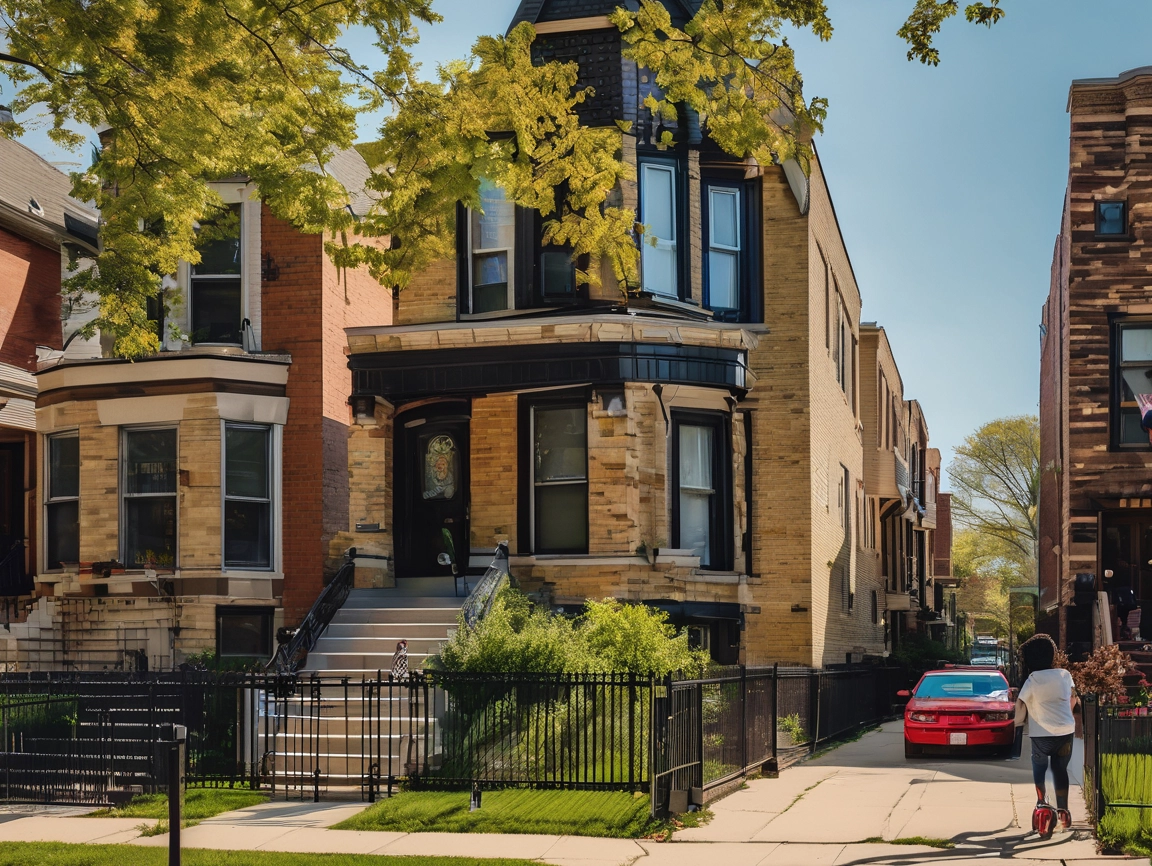

- What Are the Current Chicago Mortgage Rates and 2025 Forecasts?
- What Are the Average 30-Year and 15-Year Fixed Mortgage Rates in Chicago for 2025?
- How Do Interest Rates Differ from APR for Chicago Home Buyers?
- Which Economic and Local Factors Influence Chicago Mortgage Rates in 2025?
- What Types of Mortgage Loans Are Available for Chicago Home Buyers in 2025?
- What Are FHA Loan Requirements and Benefits for Chicago Buyers in 2025?
- How Do VA Loans Benefit Veterans Buying Homes in Chicago in 2025?
- What Are Jumbo Mortgage Limits and Requirements in Cook County for 2025?
- What Are the Features and Eligibility Criteria for Conventional Loans in Chicago?
- How Do Adjustable-Rate Mortgages (ARMs) Work in Chicago’s 2025 Market?
- How Can Chicago Home Buyers Navigate Down Payment Assistance and Closing Costs in 2025?
- What Down Payment Assistance Programs Are Available for Chicago Buyers in 2025?
- How Do Closing Costs Affect Chicago Home Buyers and What Are Typical Fees?
- How Does Credit Score Impact Mortgage Rates and Loan Approval in Chicago?
- How Do Chicago Home Buyers Find the Best Mortgage Lenders and Get Pre-Approved in 2025?
- What Criteria Should Buyers Use to Choose Mortgage Lenders in Chicago?
- What Is the Mortgage Pre-Approval Process for Chicago Home Buyers?
- What Are Refinancing Options and Home Equity Loan Opportunities in Chicago for 2025?
- When and How Should Chicago Homeowners Consider Refinancing in 2025?
- What Are Home Equity Loans and HELOCs Available to Chicago Homeowners?
- What Are the Key Trends and Forecasts for the Chicago Housing Market in 2025?
- How Are Chicago Home Prices and Inventory Expected to Change in 2025?
- How Do Local Economic Factors Affect Chicago’s Housing Market and Mortgage Rates?
- What Are the Most Common Questions Chicago Home Buyers Have About Mortgage Rates in 2025?
Chicago Mortgage Rates 2025: Complete Guide for Home Buyers to Understand Rates, Loans, and Buying Process

Chicago home buyers face evolving mortgage rates that can make or break affordability, especially as the average 30-year fixed rate hovers around 6.45 percent in early 2025. This guide delivers current rates and forecasts, explains loan options from FHA to jumbo, outlines down payment assistance and closing costs, details lender selection and pre-approval steps, explores refinancing and home equity financing, and analyzes housing market trends. By mastering these topics, you’ll confidently navigate the Chicago mortgage landscape, secure competitive financing, and plan your home purchase with clarity and control.
What Are the Current Chicago Mortgage Rates and 2025 Forecasts?
Mortgage rates in Chicago reflect national trends while responding to local market dynamics, providing home buyers with a clear picture of borrowing costs. Understanding both fixed-rate benchmarks and how APR differs from headline rates lays the foundation for selecting the right loan.
What Are the Average 30-Year and 15-Year Fixed Mortgage Rates in Chicago for 2025?
Chicago’s fixed-rate benchmarks combine predictability with long-term stability, helping buyers compare cost versus term.
These figures illustrate the trade-off between lower rates and shorter terms versus the extended affordability of a 30-year mortgage when planning monthly budgets.
2025 Mortgage Rate Forecasts and Trends
Multiple financial institutions and housing authorities predict that 30-year fixed mortgage rates will generally remain in the mid-6% range through 2025. Forecasts from entities like Fannie Mae and the Mortgage Bankers Association (MBA) suggest rates around 6.4% to 6.5% for the fourth quarter of 2025, with some experts anticipating a gradual decline towards the low-6% range by year-end.
This research directly supports the article’s claims regarding the average 30-year fixed mortgage rate in early 2025 and the projected trends for rates throughout the year.
These figures illustrate the trade-off between lower rates and shorter terms versus the extended affordability of a 30-year mortgage when planning monthly budgets.
How Do Interest Rates Differ from APR for Chicago Home Buyers?
Interest rate denotes the annual cost to borrow principal, while APR combines that rate with lender fees, origination charges, and certain closing costs to reflect the total yearly borrowing expense. Comparing APRs helps buyers understand the real cost of credit beyond the headline rate. For example, a 6.45 percent interest rate with 0.15 percent in fees yields an APR closer to 6.60 percent, guiding buyers toward the most cost-effective mortgage.
Which Economic and Local Factors Influence Chicago Mortgage Rates in 2025?
Several forces drive Chicago mortgage rates, ranging from macroeconomic policy to regional housing supply:
- Federal Reserve policy tightening or easing directly impacts benchmark yields.
- Inflation trends dictate lender risk premiums and rate adjustments.
- Local housing inventory shortages bolster demand, exerting upward pressure on rates.
- Cook County employment growth strengthens buyer credit profiles, often resulting in slightly lower offers.
- Consumer credit scores and down payment size further influence individual rate quotes.
These interconnected factors create a dynamic rate environment that demands ongoing attention from prospective buyers.
What Types of Mortgage Loans Are Available for Chicago Home Buyers in 2025?
Chicago’s lending market offers a spectrum of products designed to match diverse borrower profiles, from first-time buyers seeking low down payments to high-net-worth individuals requiring jumbo financing.
What Are FHA Loan Requirements and Benefits for Chicago Buyers in 2025?
FHA loans permit down payments as low as 3.5 percent of purchase price, backed by Federal Housing Administration insurance.
Key benefits and requirements include:
- Minimum credit score of 620.
- Mortgage insurance premium (MIP) upfront and annual.
- Flexible debt-to-income ratio allowances up to 50 percent.
- 3.5 percent down payment threshold for primary residences.
This structure enhances access for buyers with moderate credit profiles and limited savings, supporting broader homeownership opportunities.
How Do VA Loans Benefit Veterans Buying Homes in Chicago in 2025?
VA loans offer zero-down financing insured by the Department of Veterans Affairs, delivering competitive rates and minimal fees.
Eligibility and advantages:
- No down payment requirement.
- No private mortgage insurance obligation.
- Credit score guideline of 620 for most lenders.
- Funding fee adjustable based on service category and down payment.
By leveraging VA benefits, qualified veterans and service members can secure homeownership with minimal upfront costs.
What Are Jumbo Mortgage Limits and Requirements in Cook County for 2025?
Jumbo mortgages exceed the conforming loan threshold set by Fannie Mae and Freddie Mac. For Cook County in 2025:
- Conforming limit: $806,500 for a single-unit property.
- Jumbo financing requires minimum credit scores of 700.
- Debt-to-income ratios typically capped around 45 percent.
- Larger down payments of at least 20 percent common.
These loans cater to buyers in high-value neighborhoods and luxury markets, ensuring access to competitive financing for properties above local limits.
2025 Loan Limits and Government-Backed Mortgage Requirements
For Cook County in 2025, the conforming loan limit for a single-unit property is set at $806,500. FHA loans typically require a minimum credit score of 580 for a 3.5% down payment, though many lenders prefer a score of 620 or higher for optimal terms. While the Department of Veterans Affairs does not set a minimum credit score for VA loans, most lenders generally require a FICO score of 620.
This information verifies the specific conforming loan limits for Cook County and the credit score and down payment requirements for FHA and VA loans as outlined in the article.
What Are the Features and Eligibility Criteria for Conventional Loans in Chicago?
Conventional mortgages, not insured by government agencies, follow Fannie Mae and Freddie Mac guidelines:
- Down payments from 3 percent for first-time buyers to 20 percent for best pricing.
- Credit score minimum around 620.
- Private mortgage insurance required when under 20 percent down.
- Debt-to-income ratios up to 50 percent with strong compensation factors.
Conventional options suit borrowers with solid credit profiles seeking standard underwriting and competitive long-term rates.
How Do Adjustable-Rate Mortgages (ARMs) Work in Chicago’s 2025 Market?
ARMs begin with a fixed introductory rate—often 5/1 or 7/1—before adjusting annually based on an index plus margin.
- Lower initial payments compared to comparable fixed-rate mortgages.
- Rate adjustments tied to LIBOR or Treasury index plus margin.
- Caps on periodic and lifetime rate increases protect against extreme volatility.
- Ideal for buyers planning to sell or refinance before adjustment periods begin.
ARMs balance short-term affordability with rate risk management for buyers with defined time horizons.
How Can Chicago Home Buyers Navigate Down Payment Assistance and Closing Costs in 2025?
Navigating upfront costs is critical to securing a mortgage without depleting savings. Assistance programs and clear understanding of fees can bridge funding gaps.
What Down Payment Assistance Programs Are Available for Chicago Buyers in 2025?
Chicago home buyers can choose among three major assistance sources that offer grants or forgivable loans:
Each program targets specific income tiers and home price ranges, reducing the required cash-to-close and expanding buyer options.
Chicago Area Down Payment Assistance Programs and 2025 Housing Market Outlook
Several programs offer down payment assistance in the Chicago area for 2025. The Chicago Housing Authority (CHA) provides grants of up to $20,000 for its residents and up to $10,000 for other eligible Illinois residents. The Cook County Down Payment Assistance Program offers financial assistance up to $25,000 or 5% of the home’s purchase price. The Chicago housing market is projected to experience moderate home price growth of 3-5% in 2025, with inventory remaining tight in many neighborhoods.
This citation confirms the availability and typical amounts of down payment assistance programs in Chicago and Cook County, as well as the general forecast for home price growth and inventory in the Chicago housing market for 2025.
How Do Closing Costs Affect Chicago Home Buyers and What Are Typical Fees?
Closing costs encompass lender fees, title insurance, recording fees, and prepaid items, typically totaling 2 – 5 percent of loan value. Common components include:
- Loan origination and underwriting fees.
- Title insurance and escrow charges.
- Recording and transfer taxes.
- Property tax and homeowners insurance prepayments.
Accurately estimating these costs prevents funding shortfalls at closing and guides budget planning for reserves.
How Does Credit Score Impact Mortgage Rates and Loan Approval in Chicago?
Credit scores directly influence rate tiers and approval likelihood:
Higher scores secure lower interest rates and broader loan eligibility, underscoring the importance of credit optimization before application.
How Do Chicago Home Buyers Find the Best Mortgage Lenders and Get Pre-Approved in 2025?
Selecting the right lender and securing pre-approval accelerates negotiations and demonstrates buying power to sellers.
What Criteria Should Buyers Use to Choose Mortgage Lenders in Chicago?
Buyers should evaluate lenders based on:
- Published interest rates and APR transparency.
- Upfront and recurring fees structure.
- Local market expertise and customer service ratings.
- Turnaround times on pre-approval and underwriting.
- Technology platforms for document upload and communication.
Weighing these factors against personal priorities ensures optimal lender fit and smoother transaction flow.
What Is the Mortgage Pre-Approval Process for Chicago Home Buyers?
Pre-approval follows these steps:
- Collect financial documentation (income, assets, credit).
- Submit application to chosen lender.
- Undergo credit and asset verification.
- Receive a conditional credit commitment letter.
- Use pre-approval letter to strengthen offers in a competitive market.
Completing these stages early empowers buyers with clear purchasing budgets and lender confidence.
What Are Refinancing Options and Home Equity Loan Opportunities in Chicago for 2025?
After purchase, homeowners can tap into refinancing and equity financing to reduce payments or unlock cash.
When and How Should Chicago Homeowners Consider Refinancing in 2025?
Refinancing is optimal when current rates fall at least 0.75 percent below existing mortgage rates or to switch loan types. Benefits include:
- Lower monthly payments through reduced rates or extended terms.
- Cash-out refinancing to fund home improvements or debt consolidation.
- Switching from adjustable to fixed rates for payment stability.
Timing a refinance to coincide with rate dips and credit score improvements maximizes savings and financial flexibility.
What Are Home Equity Loans and HELOCs Available to Chicago Homeowners?
Home equity financing lets owners borrow against accumulated property value:
- Home Equity Loan: Fixed-rate lump sum repayment with consistent monthly payments.
- HELOC: Revolving credit line tied to variable rates, offering draw flexibility.
- Typical credit requirements: 700 + score and loan-to-value ratio below 80 percent.
- Use cases include renovations, education costs, or emergency funds.
Equity products provide cost-effective borrowing with tax-deductible interest when used for home improvements.
What Are the Key Trends and Forecasts for the Chicago Housing Market in 2025?
Understanding market trajectory informs timing of purchase and financing strategies.
How Are Chicago Home Prices and Inventory Expected to Change in 2025?
Chicago’s median home price is projected to grow 3 – 5 percent, reaching $325,000 – $340,000, while inventory remains tight in entry-level segments. Modest new construction and strong demand for urban living will sustain a seller’s market in many neighborhoods, underscoring the need for pre-approval and competitive bids.
How Do Local Economic Factors Affect Chicago’s Housing Market and Mortgage Rates?
Chicago’s job growth in technology and finance sectors bolsters buyer confidence and creditworthiness, while persistent inflation trends and Federal Reserve rate decisions shape mortgage pricing. Regional policies on property taxes and development also influence affordability and supply, creating localized rate fluctuations across Cook County.
What Are the Most Common Questions Chicago Home Buyers Have About Mortgage Rates in 2025?
Buyers frequently seek clarity on rate direction, credit qualifications, assistance programs, and core financial terms to optimize their financing decisions.
Will Mortgage Rates Go Down in Chicago During 2025?
Rates may edge lower if inflation cools and Fed tightening pauses, with forecasts suggesting a gradual decline to the low-6 percent range by year-end. Monitoring economic data and Fed announcements helps buyers time rate locks for maximum savings.
What Credit Score Is Needed to Qualify for a Mortgage in Chicago?
Most conventional lenders require at least a 620 credit score, while optimal pricing and broader product access begin at 760. FHA loans accept scores as low as 620, and VA financing can accommodate scores around 620 with compensating factors.
Are There Special First-Time Home Buyer Programs in Chicago for 2025?
First-time buyers can access CHA Down Payment Assistance grants of up to $20,000, IHDA programs covering 5 percent of purchase price, and Cook County funds up to $25,000. These initiatives reduce upfront cash needs and expand eligibility bands.
What Is the Difference Between Interest Rate and APR for Chicago Mortgages?
Interest rate reflects the annual cost to borrow principal, while APR includes both that rate and associated lender fees to reveal the full yearly borrowing expense. Comparing APRs enables home buyers to assess total financing costs beyond the advertised rate.
Home buyers armed with accurate rate data, clear loan comparisons, and robust assistance knowledge will make informed decisions and secure financing tailored to Chicago’s dynamic 2025 market. By staying alert to economic indicators, leveraging local programs, and choosing lenders strategically, you can optimize affordability and achieve homeownership goals with confidence.